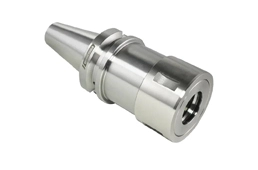
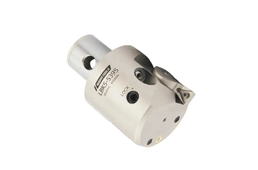
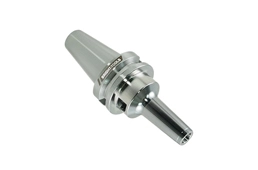
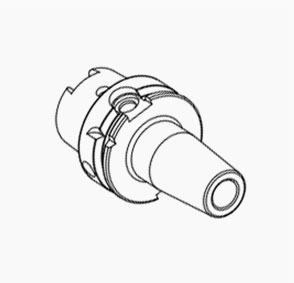
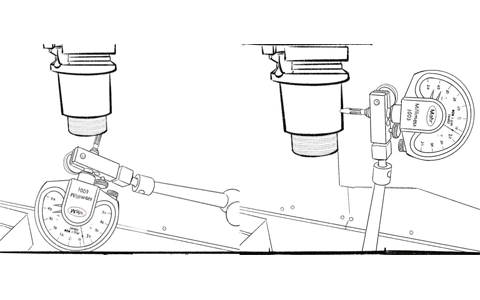
BT tool holders and BBT tool holders are both common types of tool holders used in CNC machining centers. Although they serve similar functions, there are key differences between them. This article will introduce the differences between BT and BBT tool holders.
BT Tool Holders
BT tool holders have a single contact point between the tool holder and the spindle. The contact surface is usually the taper of the tool holder which interfaces with the spindle taper.
BBT Tool Holders
BBT tool holders adopt a dual-contact design, offering an additional contact surface. Besides the taper, there is also a face contact between the flange of the BBT tool holder and the spindle end face. This dual-contact design enhances rigidity and stability, providing better tool performance and accuracy.
BT Tool Holders
BT tool holders provide good rigidity and accuracy for most machining operations. However, they may exhibit some limitations, especially in heavy-duty machining applications or when using long cutting tools.
BBT Tool Holders
BBT tool holders are specifically designed to enhance rigidity and accuracy, particularly in high-speed machining and heavy cutting operations. The dual-contact BBT tool holder design helps minimize tool deflection, vibration, and runout, thereby improving the surface finish and dimensional accuracy of machined parts.
BT Tool Holders
BT tool holders are suitable for various machining applications, including milling, drilling, and tapping. They are known for their reliable performance and are widely utilized across various industries.
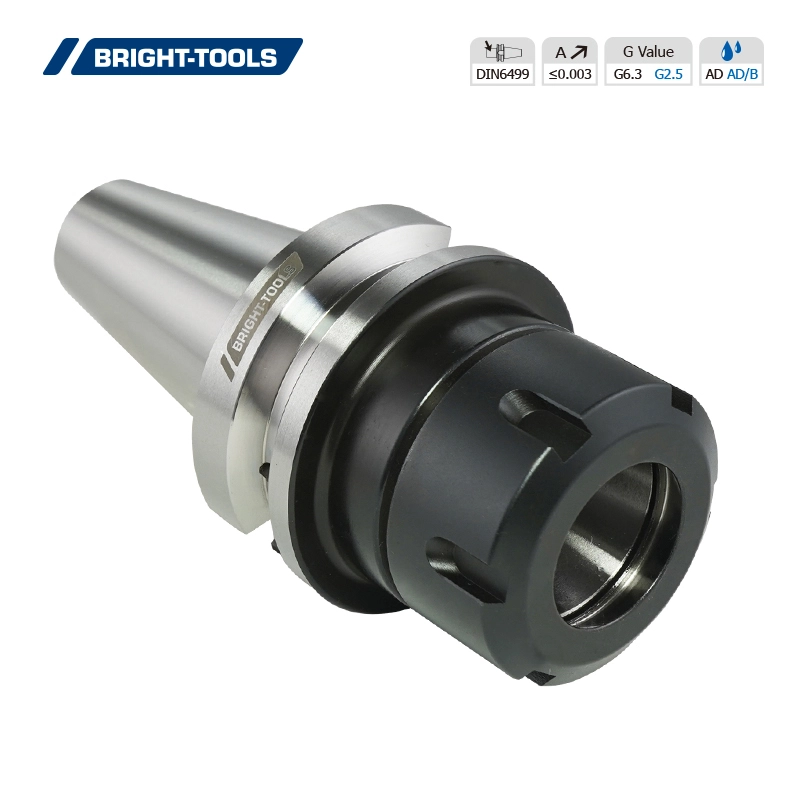
BBT Tool Holders
BBT tool holders are ideal for high-performance machining applications requiring exceptional rigidity, accuracy, and surface finish. They are commonly used in the aerospace, automotive, and mold industries, which typically have stringent tolerances and demanding machining requirements.
BT Tool Holders
BT tool holders are compatible with standard BT (MAS-403-BT) spindle interfaces and are widely used in CNC machining centers around the world.
BBT Tool Holders
BBT tool holders are designed to be compatible with spindles featuring the Big-Plus® dual-contact spindle interface. While BBT tool holders can deliver superior performance when used with compatible spindles, they may not be compatible with all CNC machine tools.
BT Tool Holders
BT tool holders are part of the MAS-403-BT tooling system, a widely adopted standard for tool holders and spindles in CNC machining.
BBT Tool Holders
Compared to traditional tooling systems, the BBT tool holder system offers higher performance and precision.
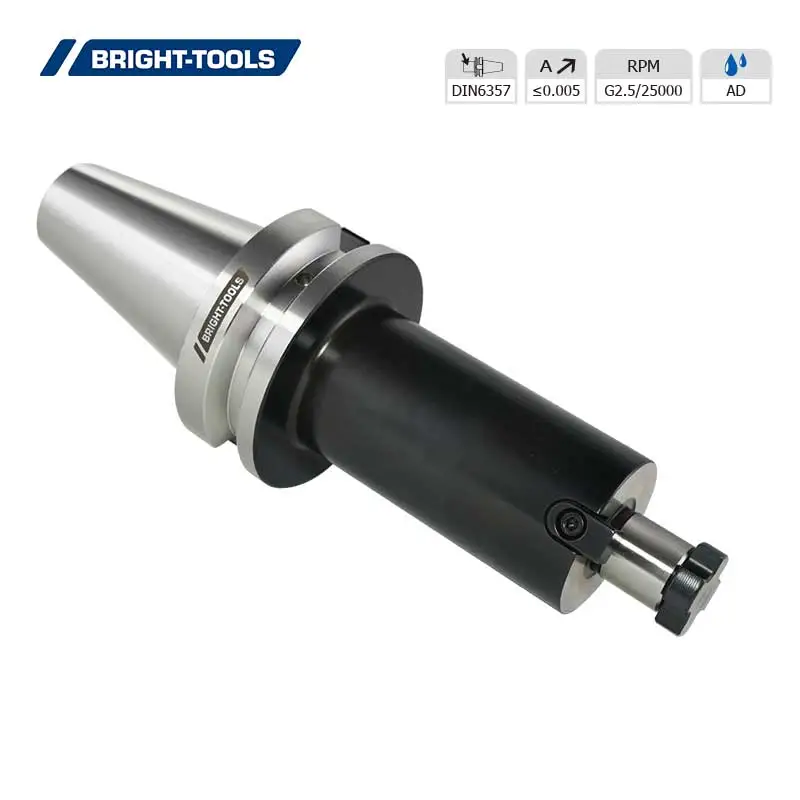
In summary, while both BT and BBT tool holders are used as tool holders in CNC machining centers, BBT tool holders offer advantages in rigidity, accuracy, and performance, thanks to their dual-contact design. However, the choice between BT and BBT tool holders depends on machining requirements, spindle compatibility, and budget considerations.
A BT holder uses a symmetrical flange design for better balance at high speed, while an SK holder follows the DIN standard commonly used in Europe. SK tool holders are generally more rigid for heavy cutting, while BT tool holders are more common in high-speed CNC machining centers in Asia and global OEM systems. Know more detaied comparison at: Differences between BT holder and SK tool holder.
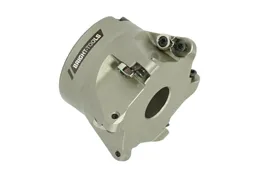
Face mill holders are designed to securely mount face milling cutters for machining large flat surfaces. Face mill holders provide strong torque transmission and stability, making them ideal for heavy-duty cutting, rough milling, and achieving smooth surface finishes in CNC operations.
A BBT holder (Big Plus type) is used in high-precision CNC machining where both taper and flange contact the spindle. This dual-contact design improves rigidity, reduces vibration, and enhances machining accuracy, especially in high-speed milling and finishing operations.
 English
  日本語
日本語  한국어
한국어  Deutsch
  Español
  italiano
  русский
  tiếng việt
  Türkçe
  português
  فارسی
فارسی  zh-CN
zh-CN