Selecting the correct tool holder standard is one of the most important decisions when purchasing CNC tooling. An incompatible interface can lead to poor machining accuracy, excessive spindle wear, tool pull-out, and costly downtime. For modern high-speed machining centers, DIN 69893 (HSK) has become the preferred standard due to its dual-contact design, while DIN 69871 remains widely used in conventional machining applications. Understanding the differences between these standards—and how they relate to your spindle, tooling, and machining requirements—helps ensure long-term productivity and return on investment.
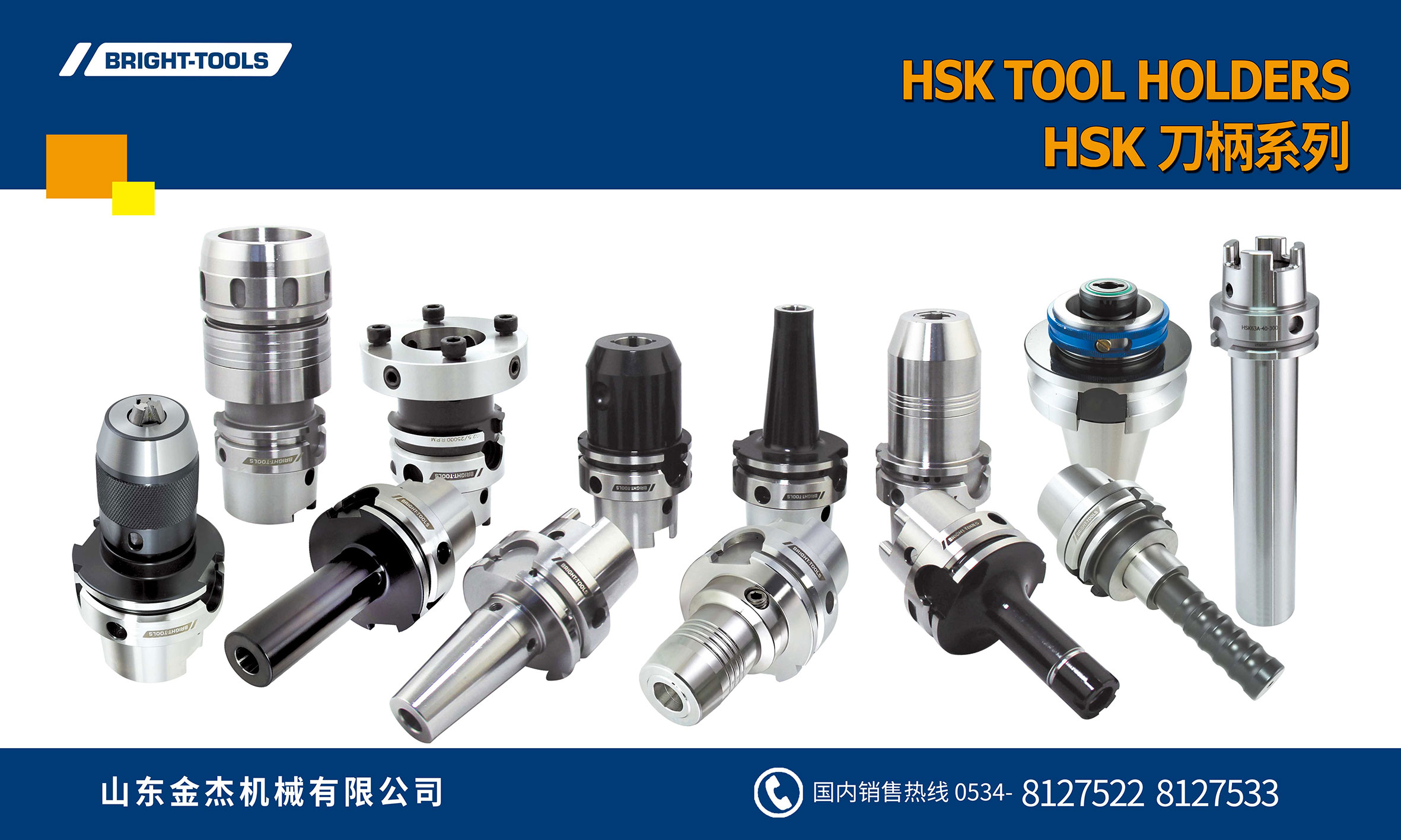
The tool holder is the connection between the machine spindle and the cutting tool. Even the highest-quality cutting tools cannot perform properly if the holder lacks rigidity, precision, or compatibility.
Modern din 69893 standards were developed to address challenges encountered with traditional steep taper systems, including:
Thermal expansion during high-speed machining
Reduced rigidity at high spindle speeds
Poor repeatability after automatic tool changes
Limited balance performance
Compared with older interfaces, HSK holders provide:
Simultaneous taper and face contact
Higher positioning accuracy
Better dynamic balance
Improved spindle stiffness
Faster automatic tool changes
Longer spindle life
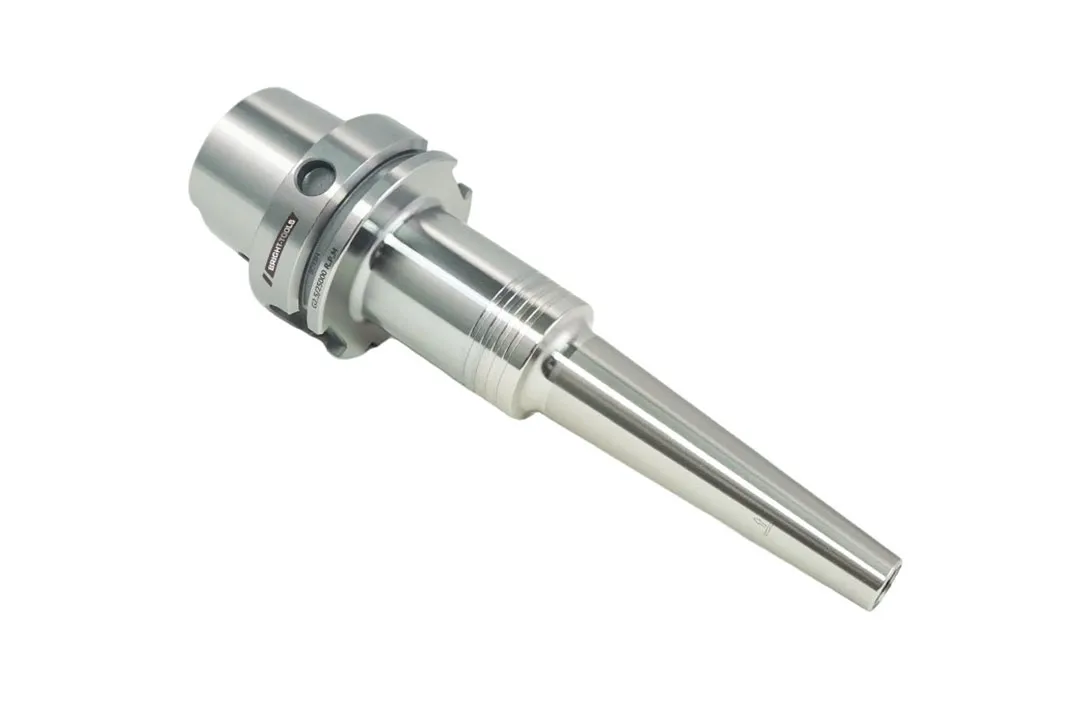
DIN 69893 is the German industrial standard that defines Hollow Shank Taper (HSK) tool holders. It has also been adopted internationally as ISO 12164.
Unlike conventional taper systems, HSK uses a hollow taper that expands slightly during spindle clamping. The spindle contacts both:
The taper surface
The flange face
This dual-contact design significantly improves rigidity and accuracy, especially at spindle speeds exceeding 15,000 RPM.
Common HSK series include:
HSK-A
HSK-E
HSK-F
HSK-T
Each series is optimized for different machining applications, ranging from heavy milling to ultra-high-speed precision machining.
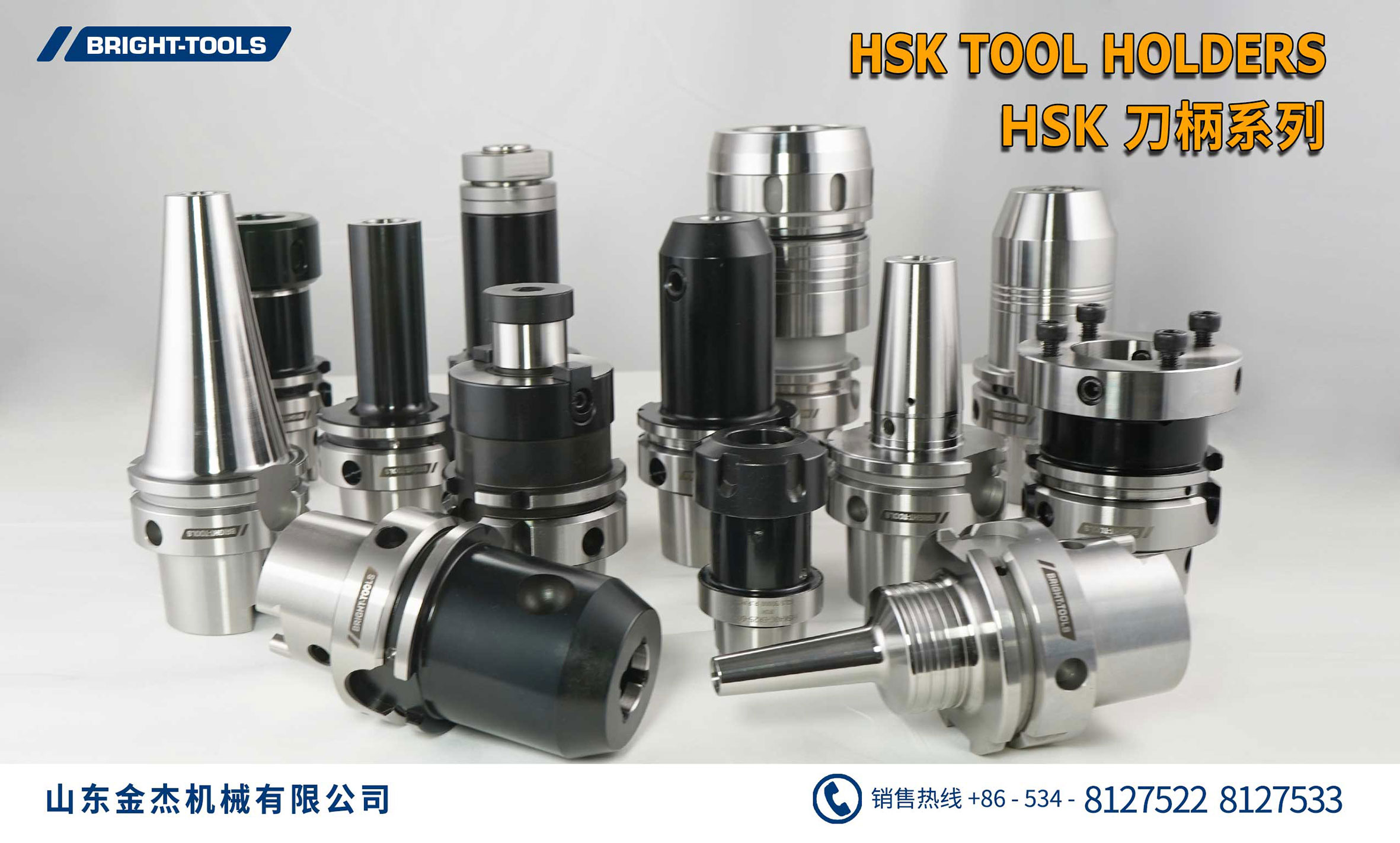
This is one of the most common questions buyers ask before purchasing CNC tooling.
| Feature | DIN 69893 (HSK) | DIN 69871 |
|---|---|---|
| Taper type | Hollow taper | Steep taper |
| Contact | Face + taper | Taper only |
| High-speed capability | Excellent | Moderate |
| Position repeatability | Higher | Good |
| Automatic tool change | Excellent | Excellent |
| Rigidity | Higher at high RPM | Good at lower RPM |
| Typical spindle speed | 15,000–40,000 RPM | Below 15,000 RPM |
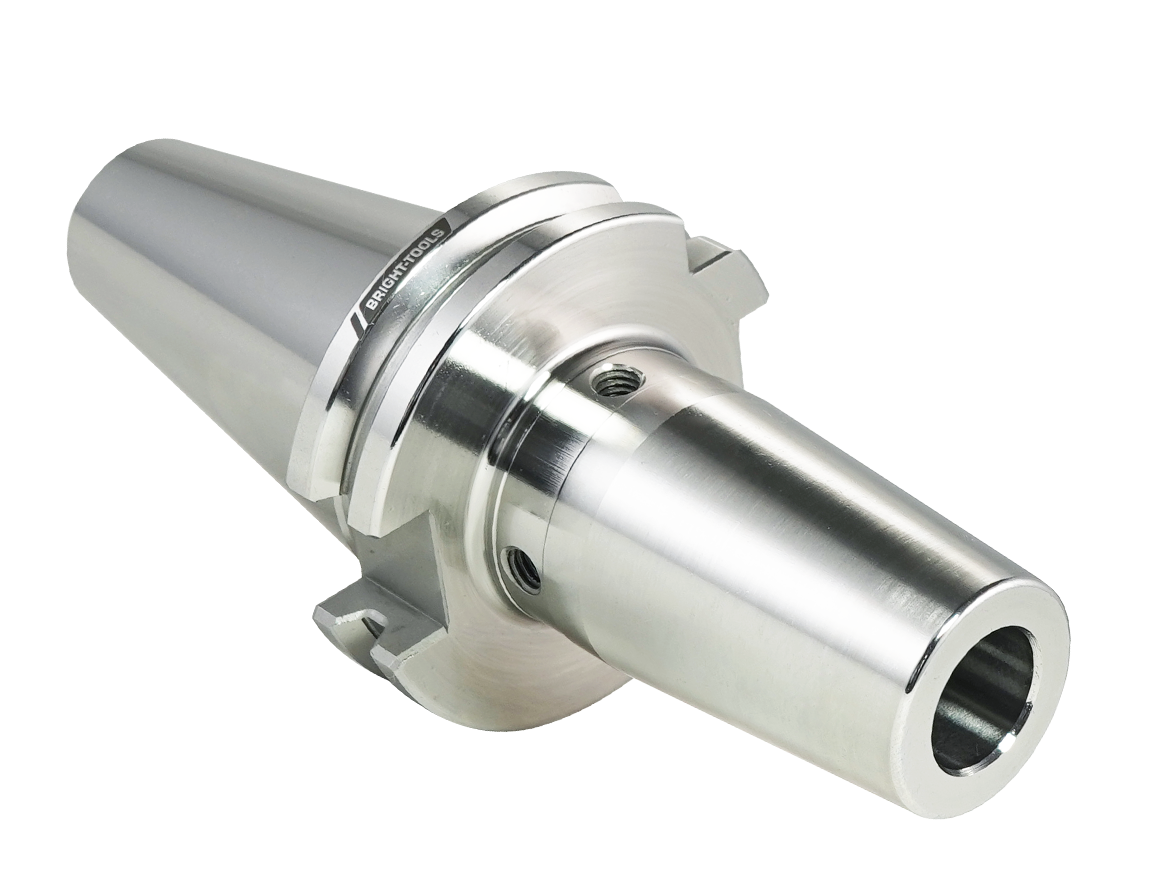
The din 69871 tool holder remains popular on many machining centers because of its proven reliability and lower equipment costs.
Typical examples include:
sk40 din 69871
din 69871 sk40
iso 40 din 69871
iso 50 din 69871
These interfaces are commonly found on conventional CNC machining centers used for general milling.
Absolutely.
Although HSK has become the preferred solution for high-speed machining, din 69871 continues to dominate many production environments, including:
General machining
Mold manufacturing
Steel machining
Medium-speed milling
Job shops
Educational CNC facilities
Its advantages include:
Mature global supply chain
Wide tooling availability
Lower tooling costs
Excellent compatibility with existing machines
For many manufacturers, upgrading an entire production line to HSK may not be economically necessary.
Another standard buyers frequently encounter is DIN 2080.
Although both standards use a 7:24 steep taper, they differ in the tool retention mechanism.
| Feature | DIN 2080 | DIN 69871 |
|---|---|---|
| Tool retention | Manual drawbar | Automatic pull stud |
| Automatic tool changer | No | Yes |
| Typical machines | Older manual CNCs | Modern CNC machining centers |
| Productivity | Lower | Higher |
DIN 2080 is generally found on older machine tools, while DIN 69871 is designed specifically for automatic tool changing systems.
For spindle speeds above approximately 15,000 RPM, DIN 69893 is generally the preferred solution.
Reasons include:
Better dynamic balance
Reduced centrifugal deformation
Improved rigidity
Higher machining accuracy
Better surface finish
Lower vibration
Industries commonly using HSK include:
Aerospace
Medical devices
Electronics
Precision molds
Automotive
Always verify the spindle interface specified by the machine manufacturer.
Common spindle interfaces include:
Suitable for:
High-speed machining centers
Five-axis machining
Precision finishing
Suitable for:
Standard vertical machining centers
Horizontal machining centers
General CNC milling
Typical sizes include:
SK30
SK50
Never assume different standards are interchangeable.
Choosing the interface is only the first step.
Different machining operations require different holder styles.
Ideal for:
Finish milling
Reaming
High-speed drilling
Advantages:
Low runout
Excellent vibration damping
Long tool life
Best for:
End mills
Drills
General machining
Advantages:
Flexible
Cost-effective
Wide clamping range
Designed for:
Face milling
Side milling
Shell mills
Provides:
High rigidity
Excellent torque transmission
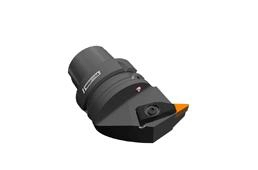
A threading tool holder is specifically designed for precision thread cutting.
Applications include:
Internal threading
External threading
CNC turning
Pipe threads
Metric threads
Proper holder selection directly influences thread accuracy and tool life.
Professional buyers evaluate far more than interface compatibility.
Important purchasing criteria include:
Look for:
Precision ground taper
Face runout accuracy
Low concentricity error
High-speed machining requires balancing grades such as:
G2.5
G1.0 (special applications)
Better balance reduces:
Spindle vibration
Tool wear
Noise
Premium holders typically use alloy steels with:
Vacuum heat treatment
Precision grinding
Surface hardening
Quality coatings improve:
Corrosion resistance
Wear resistance
Cleaning performance
Modern machining increasingly relies on internal coolant delivery for:
Deep-hole drilling
High-speed milling
Heat reduction
Many buyers search for din 69871 pdf before making purchasing decisions.
Official DIN standards are copyrighted documents and are generally available through authorized standards organizations or licensed distributors. Machine tool manufacturers and tooling suppliers often provide technical specifications, dimensional drawings, and compatibility charts based on these standards to help customers select the correct tool holders.
DIN standards cover a wide range of industrial components beyond CNC tooling.
Examples include:
DIN 5482 for spline connections
Mechanical fasteners
Bearings
Machine elements
Industrial shafts
Transmission components
Likewise, many manufacturers offering din tools produce standardized tooling and machine accessories that comply with internationally recognized specifications, ensuring interchangeability and consistent quality across different equipment.
Yes. Equipment such as a line boring and welding machine often uses dedicated tooling systems designed for bore repair and on-site machining. While these machines may not always use HSK interfaces, buyers should still verify spindle compatibility, holder rigidity, and tool clamping requirements to ensure safe and accurate operation.
When comparing suppliers, consider more than price.
A reliable manufacturer should provide:
Complete dimensional inspection reports
Material certifications
Heat-treatment documentation
Dynamic balancing capability
Precision grinding processes
Multiple holder configurations
OEM/ODM support
Stable production capacity
Global export experience
Responsive technical support
Long-term consistency is often more valuable than the lowest initial purchase cost.
Purchasing the right tool holder begins with understanding the applicable standard. While DIN 69871 remains a dependable choice for conventional CNC machining centers, DIN 69893 has become the benchmark for high-speed, high-precision manufacturing thanks to its hollow shank, dual-contact design, and superior rigidity. Beyond interface compatibility, buyers should evaluate holder accuracy, balancing quality, material selection, coolant capability, and supplier expertise. Investing in the correct standard and a trusted manufacturing partner helps improve machining accuracy, extend spindle life, reduce downtime, and achieve a lower total cost of ownership.
Yes. DIN 69893 defines the HSK (Hollow Shank Taper) interface and is internationally recognized as ISO 12164.
No. The two standards use different spindle interfaces and are not compatible with each other.
SK40 DIN 69871 refers to a Size 40 steep taper tool holder manufactured according to the DIN 69871 standard. It is commonly used on CNC machining centers with automatic tool changers.
Yes. DIN 2080 is still found on older CNC and manual milling machines, although it has largely been replaced by DIN 69871 in modern automatic machining centers.
For high-speed, high-precision applications, DIN 69893 (HSK) generally provides better rigidity, repeatability, and balance than conventional steep taper systems, making it the preferred choice for modern CNC manufacturing.
 English
  日本語
日本語  한국어
한국어  Deutsch
  Español
  italiano
  русский
  tiếng việt
  Türkçe
  português
  فارسی
فارسی  zh-CN
zh-CN